(Last Updated On: May 7, 2021)
- Garageband Guitar Presets
- Garageband Guitar Presets Full
- Garageband Guitar Presets Crack
- Garageband Guitar Presets Reviews
It has become common that a real garage band should have a guitar. It may be ridiculous for garage band not to have support for a guitar and bass players.
Contents
Connecting
Before using strumming the guitar, it is important to understand how to connect it to the Mac. You can use a ¼ -1/8 inch mono audio cable. The 1/8 inch connector will go to Mac and the ¼ inch connector plug into the guitar. Ensure that the cable you choose is light. If an adapter is added, it may add more weight to a standard guitar cable and put a strain on Mac’s audio port. You can also plug the guitar into a various audio interface that has a FireWire, thunderbolt, or a USB connector. You can use the interface to direct the output of the guitar to the mac.
Configuring the input and output settings of the Garageband
You need to configure the garage band regardless of what you choose. Configuring it will help to detect the guitar. Launch the garage band and choose the Amp Collection from the projector chooser. Click on the triangle that is next to the details if you don’t see the Details part at the bottom of the window. Choose the input that the guitar is using from the audio input menu. Choose the built-in line input if your guitar is plugged into the Mac directly or the audio interface that you are using and click on the Choose button.
Aside from sounds, you’ll find garageband presets to get your EQs, compressors and effects chains in check, pre-made to enhance individual channels, groups and master channel. Whether you’re making drum & bass, techno, house, electro, trap, edm or downtempo music, we have the garage band samples you need to get a cutting edge sound. A short demo of some 'Built-In' guitar presets in GarageBand.Clean, Crunch and Distorted presets.Guitar - 2004 Gibson SGInterface - FocusRite 2i4.
Tracks and tuning
The track header will display about 15 tracks when the garage band window appears. The tracks range from clean sounds like Brit and Clean to tracks that have effects and overdriven amps like a maelstrom.
Brit and Clean track will be selected by the default. When playing the guitar, you will see the meter within the selected track react. Click on the input monitoring button in the tracker header to hear what you are playing. The sound of the guitar will play through the output device that you picked. You can select another track and allow the input monitoring button to get the sound.
If you can’t see anything on the meter and the volume knob of the guitar is turned up, go to garage band and select preferences, then audio or MIDI and ensure that the output and input device menu s are configured well.
If you are getting the sound into the garage band, choose Brit and Clean again and click on the Tuning button. It looks like a tuning fork on the control panel. A tuning window will appear, pluck a string and the meter will show you how close you are to the right pitch. Adjuster the tuners of the strings until they read green and then fine-tune using your ears.
Selecting and tweaking sounds
If you can’t see the library area, select view then shows library. The library pane has a list of crunch guitar, clean guitar, distorted guitar, and experimental guitar, Crunch base, clean bass, and experimental bass. Select the desired entry, and a list of presets will appear within the category. Select any of the presets and play the guitar.
Adjust the preset’s amp and the effects settings on the smart controls button and the preset’s smart controls.
After selecting your desired choices, click the record button on Garageband and record.
If you’re here, you’re wondering if Garageband amps are good.
When taking into consideration that the Amp Designer in Garageband is free, the selection of amplifiers and pre-sets are great. In conjunction with the available plug-ins and effects, it can easily meet your guitar-playing needs.
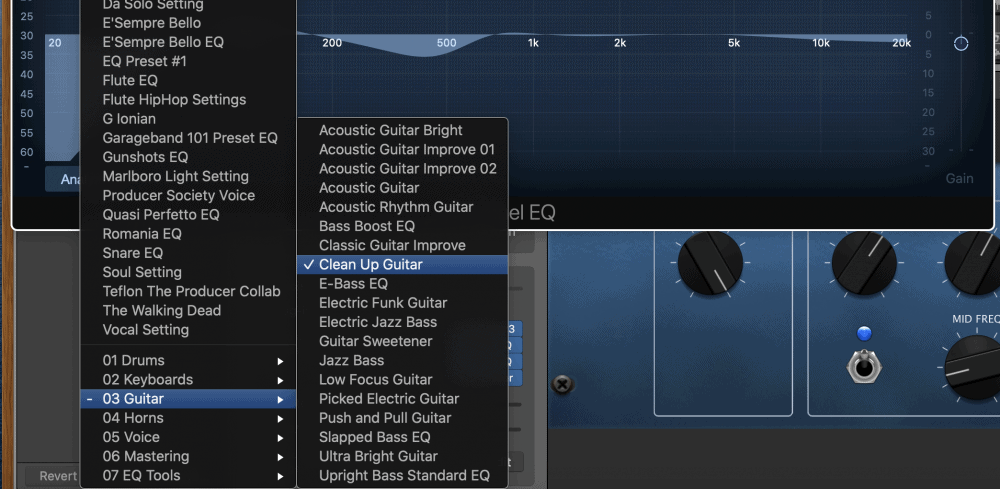
It comes with a ton of amp and cabinet combinations, including all of the different microphones like the dynamic, condenser, and standard ribbon mic.
Garageband’s Amp Designer mimics the most common amplifier and cabinet models, including Orange, Randall, Vox, Mesa Boogie, Marshall, Fender, and more.
It also comes with a variety of cabinets including different sizes such as the 2x12, the 1x12, and the 4x12.
There is a pedalboard that features the most common effects, including the flange, chorus, reverb, and delay, pitch-shifter, direction mixer, noise-gate, fuzz pedals, as well as the harmonizer which is included with the pitch-shifter – a near replica of the Digitech Whammy Pedal.
Moreover, it comes with a guitar tuner – although I don’t like it that much – and the ability to move the microphone around different parts of the speaker cab, which is probably my favorite feature.
It’s worth noting that moving the microphone position on the speaker cabinet is pretty realistic and worth experimenting with, so definitely give that a shot.
Each amp head comes with a variety of its very own individual presets which you can see below:
There are a few different categories like Experimental Bass, Crunch Bass, Clean Bass, Experimental Guitar, Distorted Guitar, Crunch Guitar, and Clean Guitar, and each of these categories has from 5-25 presets within them.
If you’re looking for a helpful tutorial on how to use the Amp Designer, I would recommend my article on the Amp Designer here, which goes far more in-depth than this article does.
A lot of people will tell you that the Amp Designer robs you of tonality and intricacies that would be present in a traditional amp and cabinet combination.
And while they may be correct, the truth is that most people, especially average consumers and listeners, won’t be able to tell the difference between the guitar tone in the Amp Designer and the guitar tone from a premium amp head and cabinet.
All of the presets are pretty good on their own, but after a few tweaks, they can be customized to sound awesome. There are many presets for nearly all different genres, including rock, metal, indie, funk, country, and pop music.
A lot of people – wrongly – believe that you can’t download plug-ins in Garageband either. If you’re wondering how to go about this, I recommend checking out this article here on installing plug-ins.
You can actually use Amplitube and other software, such as Superior Drummer, with Garageband without any issues.
And if you’re not a huge fan of the Amp Designer, you can also use the Le Pou plug-ins that a lot of people enjoy. However, I find myself actually not using the Le Pou plug-ins and instead opting for the Amp Designer and the handy presets that come with it.
In combination with the fact Garageband also uses quantizing, both for audio recorded tracks and MIDI, as well as EQ, and pitch-correction, I would honestly say that it’s just as good as many other DAWs out there and it will work fine for a beginner to music production, especially for guitar players.
It seems like the creators of the program knew that their market would consist of guitar and bass players because the software appears to be geared toward them, otherwise, I doubt the Amp Designer would even exist.
Personally, I haven’t found a reason to switch to Logic Pro X yet, and from what I understand about it, there aren’t a ton of differences between Logic Pro X and Garageband anyway, other than the fact Logic Pro X has a bit more sophistication.
For instance, the same presets that Logic Pro X has, Garageband also has. The main differences between the premium and the free DAW are that Logic Pro X just has more parameters and options.
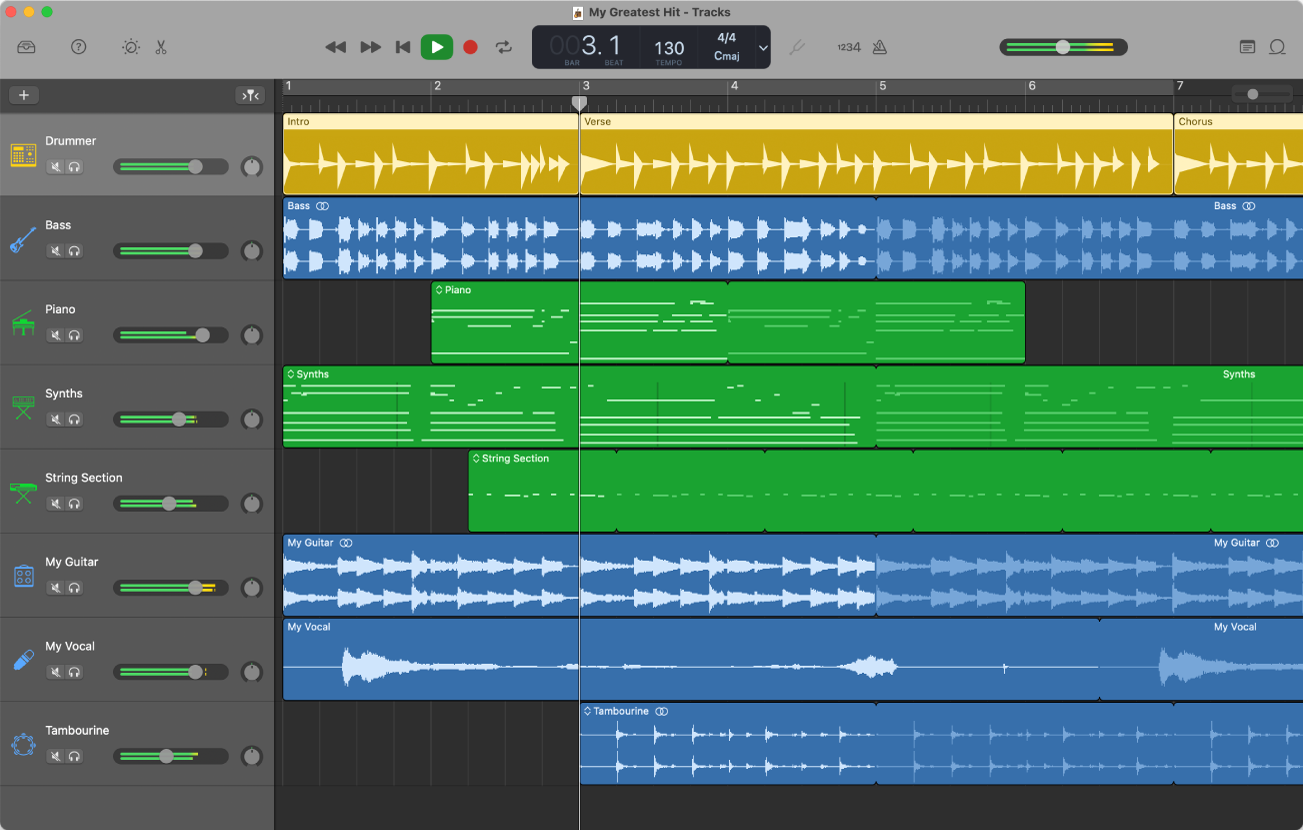
With that said, there will be a point in time in your journey that you might opt for a more professional set-up, but for the first few years of your career, Garageband and its Amp Designer function will do just fine.
Furthermore, plug-ins and stompboxes are getting better all of the time, so if you need another accessory, it’s as simple as just purchasing a better plug-in, or even downloading it for free if it’s available.
The best thing you can do is simply try it out for yourself and see what you can do. There are a ton of options, so honestly, it should work fine for you, especially if you’re just using it as a practice rig.
Audio interfaces are getting better too, including the iRig HD 2, which I use on a regular basis. You can read more about it in the link here.
It makes playing the guitar so easy because it’s as simple as using this tiny audio interface and either plugging it in into my iPhone or my computer if I’m on the road or not at home.
It has the added benefit of being incredibly convenient as well because you don’t have to carry around a huge amplifier and cabinet combination, which are extremely heavy and at risk of being stolen when traveling.

Moreover, as I wrote about in my article here, you can actually plug your guitar pedals into your audio interface because Garageband works just fine for all of them.
Some of the pedals I use with Garageband include the Digitech Whammy Pedal, the MXR 10-Band EQ, and the old school Line 6 Pod system that came out in the mid-2000s. You can read more about these products in the link in the previous paragraph.
For instance, you can use the Line 6 HD500x as a guitar pedal and have access to some of the best sounds available. A lot of people hate on these as well because the sound is digital, but this is where the market is headed.
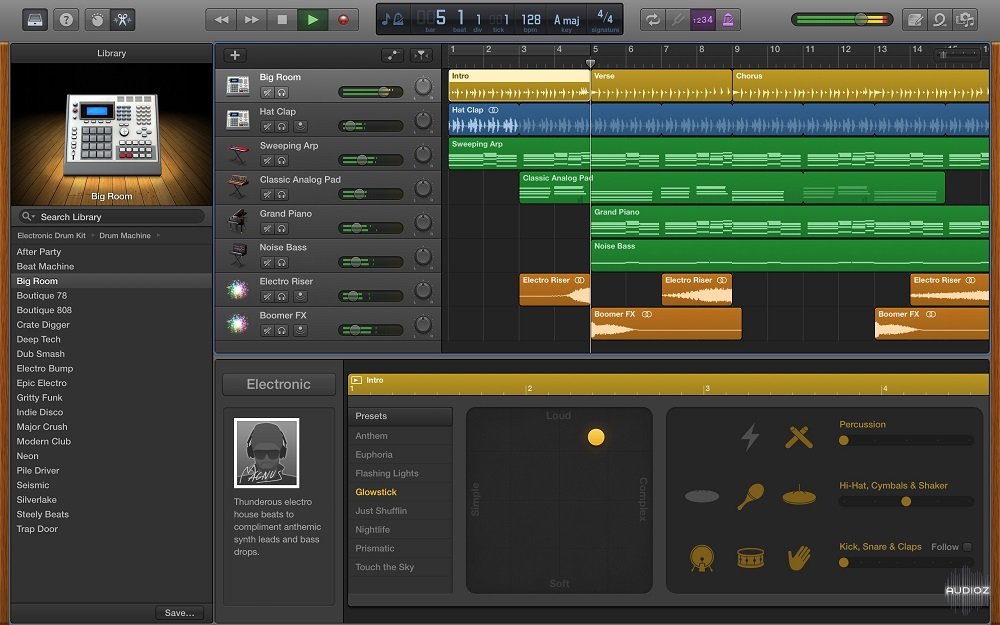
One issue that I’ve had with recording guitar in Garageband, however, is that it will sometimes say there is feedback when really there doesn’t appear to be any.
To get around this, make sure that you have the ‘Feedback Control’ mechanism turned on.
Garageband Guitar Presets
In addition to this, make sure that you’ve turned down the gain on your audio interface. Too much gain on the audio interface will send too hot of a signal, and cause clipping and an annoying feedback prompt from the software, telling you that there is too much.
YouTube Video
Garageband Guitar Presets Full
Conclusion
In conclusion, I would say that the Amp Designer in Garageband is pretty good, and is sufficient for legitimate sounding music produced at the professional level.
Garageband Guitar Presets Crack
This comes with a huge caveat though, because obviously, it’s free software and one can get their hands on more sophisticated programs and equipment that will do a better job.
Garageband Guitar Presets Reviews
However, For people who are taking their first steps on their music production journey, I would argue that Garageband will meet nearly all of your needs.