The public space of a pub is notable; many of Pinter’s works to that point take place in claustrophobic, private rooms, such as the two plays — Old Times and No Man’s Land — which immediately preceded Betrayal. These three plays, now grouped loosely together as Pinter’s middle period, share a central concern: memory. Betrayal is a new departure and a bold one. Pinter has found a way of making memory active and dramatic, giving an audience the experience of the mind's accelerating momentum as it pieces together the past with a combination of curiosity and regret. Betrayal is Pinter's latest full-length play since the enormous success of No Man's Land.The play begins in 1977, with a meeting between adulterous lovers, Emma and Jerry, two years after their affair has ended. During the nine scenes of the play, we move back in time, through the states of their affair, with the play ending in the house of Emma and Robert, her husband, w. In 2005, Harold Pinter was awarded the Nobel Prize for Literature, the highest honour available to any writer in the world. In announcing the award, Horace Engdahl, Chairman of the Swedish Academy, said that Pinter was an artist “who in his plays uncovers the precipice under everyday prattle and forces entry into oppression’s closed rooms”.

Betrayal (1978) overview
The Betrayal Harold Pinter 1
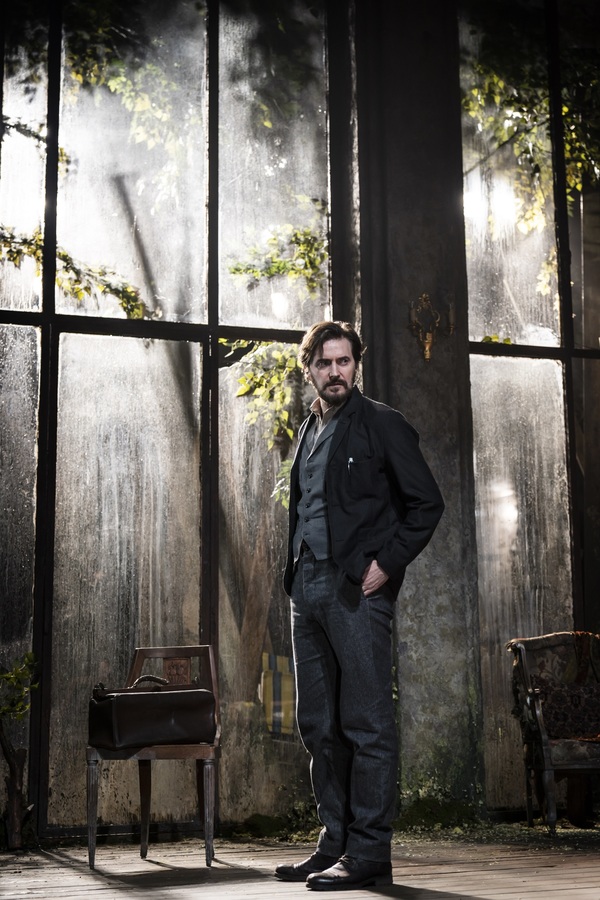
Harold Pinter’s 1978 play employs a reverse-chronological structure to tell the story of an extra-marital affair. Inspired by Pinter’s own seven-year affair with Joan Bakewell – who would also write a play, Keeping in Touch, in order to tell her side of the story – Betrayal is a three-hander in which a number of different betrayals are shown to take place.
Emma is having an affair with Jerry, a close friend of her husband, Robert. Jerry is also married, to Judith. For five years this relationship is clandestine, but then Emma confesses her infidelity to Robert – producing another betrayal in the context of the play.
The Betrayal Harold Pinter Pdf
The scenes unfold in reverse order. The play starts in 1977, when Jerry and Emma meet in a pub for the first time since the affair had ended two years previously. It’s a scene of restraint and melancholy; the pain is only semi-softened by the passing of time. The play’s final scene ends when the affair begins, in 1968, at a party in which Jerry declares his love for Emma.
There are nine scenes in all. Emma and Jerry acquire a small London flat in which to conduct their affair. The pivotal scene takes place in a hotel room in Venice where Robert and Emma are on holiday. Robert discovers Emma has received a letter from Jerry, and Emma admits she’s been having an affair with him.
Betrayal Play Summary
Both the affair and Robert and Jerry’s friendship continue after this, though the relationship between all of them has altered. The play’s particular chronology lends an extra emotional weight to each scene. The audience knows where the characters are headed and the impact of their choices on all of their lives. The dialogue is typically economical, but Pinter loads it with meaning and power-play between all three characters.
Key productions of Betrayal
Betrayal was first produced by the National Theatre in 1978, with Penelope Wilton as Emma, Michael Gambon as Jerry and Daniel Massey as Robert. It has been revived many times since, in many countries. Peter Hall directed its Broadway premiere in 1980. A 2011 West End production was directed by Ian Rickson and starred Kristin Scott Thomas, Douglas Henshall and Ben Miles.